Premier Excavation Offerings: Expert Solutions for Your Construction Needs
Highly-rated earth-moving services play an essential role in the construction field. They assure that projects start on stable ground through skilled ground preparation and soil grading. These teams are equipped to execute various tasks, from utility trenching to conformance with safety requirements. Knowing the spectrum of available services and the criteria for selecting the right company can greatly influence project outcomes. However, what specific factors should one consider when picking an excavation professional?
Comprehending Excavation Services Within Construction Projects
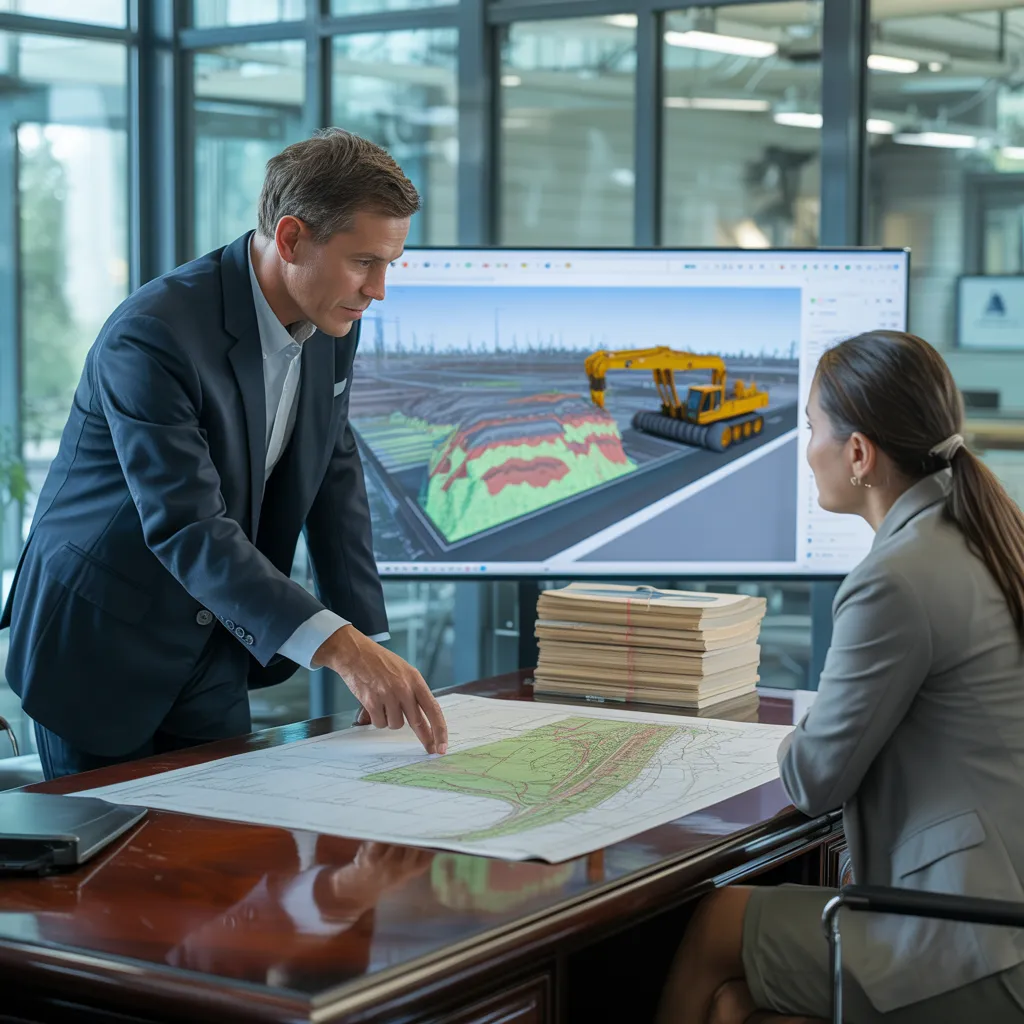
Excavation services represent a vital function in the building domain, as they create the groundwork for any accomplished project. These services cover the displacement of soil and rock to organize spaces for multiple facilities, featuring buildings, roads, and utilities. The process begins with site assessment, where practitioners determine soil conditions, drainage, and environmental factors. This determination shapes the excavation strategy, ensuring performance and regulatory compliance with regulations.
Additionally, excavation is not merely about digging; it involves precise preparation and execution to prevent structural issues later on. The use of advanced machinery and techniques is critical, as poor digging can lead to costly delays and safety hazards. Furthermore, excavation services also include leveling, trenching, and the installation of base structures, which are essential for the stability of the construction project. Overall, understanding excavation services is key for ensuring a solid foundation and successful project completion.
Various Categories of Excavation Services Accessible
Excavation services are important for numerous construction needs, and they can be divided into varied types determined by the project scale and specifications. Residential excavation services often focus on individual homes, while commercial excavation solutions meet substantial, business-oriented projects. Understanding these differences enables clients choose the appropriate service for their specific needs.
Residential Grading Services
When organizing a home construction, homeowners often investigate various excavation services customized for their specific needs. Common types consist of land preparation, which involves removing and flattening land for new construction, and trench digging, used for setting up systems like water and electrical lines. Foundation excavation ensures a strong foundation for homes, while grading work help manage water flow and yard design. Additionally, homeowners may require digging for basements or swimming pools, each necessitating specialized techniques and equipment. Environmental considerations, such as erosion prevention and soil handling, are also essential in residential excavation. By selecting the appropriate service, homeowners can enhance the security, usefulness, and visual quality of their properties, assuring a completed work from the ground up.
Commercial Excavation Services
Dealing with the complexities of commercial projects calls for a spectrum of expert excavation services adapted to diverse requirements. These services feature ground preparation, which involves clearing and grading land to build a stable base for structures. Furthermore, trenching services are vital for placing utilities and drainage systems, ensuring infrastructure is properly integrated.
Earthmoving excavation for substantial operations is another vital factor, commonly needed for parking lot development or road construction. Furthermore, demolition excavation serves to safely dismantle current structures while lessening disturbance. All types of commercial excavation services are crafted to fulfill project criteria, ensuring rules are followed and on-site safety is prioritized. By opting for the best solutions, companies can increase project efficiency and ensure enduring sustainability.
Critical Criteria for Choosing an Excavation Company
When contracting an excavation company, several key factors require careful consideration. Experience and expertise serve as critical in guaranteeing project success, while proper licensing and insurance offer necessary legal protection. Furthermore, the presence of modern equipment and technology can considerably affect the efficiency and quality of the work performed.
Experience and Expertise
Choosing an excavation company greatly relies on their expertise and skill. A well-established company usually holds a wealth of knowledge gained from managing various projects, allowing them to handle challenges effectively. Skilled professionals are well-versed in varied soil types, ground conditions, and excavation methods, ensuring they can offer customized solutions for particular requirements. In addition, a firm with a solid reputation often employs qualified operators who are proficient in using cutting-edge machinery, minimizing the risk of accidents and project delays. Their expertise not only improves efficiency but also adds to the overall quality of the work. In the end, choosing an excavation company with ample experience and tested expertise guarantees a more efficient construction process and superior project outcomes.
Licensing and Coverage
Appropriate permits and coverage serve as essential factors for assessing an excavation company. A certified professional demonstrates adherence to local regulations and industry standards, guaranteeing that work performed meets safety and quality benchmarks. This safeguards the integrity of the undertaking while also mitigates possible regulatory problems. Furthermore, insurance coverage is essential; it safeguards both the contractor and the client from monetary risk in the case of accidents or damages throughout the digging operations. Clients must verify that the firm maintains adequate liability protection and employee coverage. By prioritizing such considerations, clients can make informed decisions, reducing risks associated with hiring unqualified or uninsured digging work. In the end, correct permits and protection demonstrate a associated resource company's expertise and dedication to protection.
Gear and Technology
A detailed assessment of equipment and technology is vital for selecting an excavation company. The type and condition of machinery significantly impact project efficiency and safety. Companies employing modern, well-maintained equipment can ensure higher accuracy and faster completion times. In addition, advanced technology, such as GPS systems and 3D modeling, enhances precision in excavation tasks, minimizing the risk of errors. Prospective clients should inquire about the specific machinery used, the age of the equipment, and any technological tools employed during operations. Moreover, companies that prioritize innovation often adopt eco-friendly practices, which can be an added benefit. Ultimately, selecting a firm with superior equipment and technology can lead to successful project outcomes and cost-effective solutions.
Reviewing Earthwork Professionals' Technical knowledge
In what way can one effectively assess the proficiency of excavation experts? Evaluating their competencies entails reviewing their expertise, qualifications, and past projects. A professional having extensive experience in various excavation types, such as residential, commercial, or industrial work, frequently exhibits a broader skill set. Qualifications from established trade organizations also indicate a pledge to safety and best practices.
Additionally, prospective customers should seek out references and testimonials. Comments from previous clients can give insight into the expert's trustworthiness and level of service. copyrightining a range of finished projects can additionally reveal the breadth and quality of their proficiency.
Finally, undertaking interviews allows prospective clients to measure communicative competence and troubleshooting capabilities. By considering these factors, persons can make informed decisions when selecting excavation practitioners, ensuring they select authorities who will meet their construction needs effectively.
What to Expect in Regard of Excavation Work Costs?
Understanding the expenditures associated with excavation offerings is important for individuals planning construction projects. Numerous factors determine these expenditures, including project breadth, difficulty level, and location. Typically, excavation offerings charge by the hour or by the cubic yard of material removed. For limited undertakings, costs might vary from $40 to $150 per hour, while larger, more demanding operations can increase to $200 or more per hour.
Also, site circumstances carry a critical significance; rocky or uneven terrain may require specialized equipment, therefore boosting costs. Environmental considerations and permitting can further impact the overall budget. It is prudent for clients to request various quotes to ensure competitive rates. Ultimately, understanding these variables promotes sound financial planning and helps establish realistic expectations for excavation project costs.
Perks of Collaborating With Experienced Excavation Teams
When patrons opt to work with experienced excavation teams, they often benefit from a store of knowledge that can markedly improve project deliverables. These professionals deliver a extensive knowledge of soil types, site conditions, and local regulations, which facilitates making informed decisions. Their expertise guarantees optimized project management, curtailing setbacks and decreasing financial burden.
Furthermore, experienced crews are equipped with advanced equipment and technology, enabling for precise digging and grading, which is vital for the structural integrity of following building stages. Safety represents yet another critical factor; experienced teams prioritize safety measures, greatly reducing the risk of accidents on-site.
Additionally, a solid history in diverse initiatives often means that these units can predict challenges and promptly deploy solutions. In essence, engaging with skilled excavation professionals not only improves the overall construction experience but also creates a foundation for long-term project success.

Frequently Inquired Questions
What is the standard timeline for finishing an excavation project?
An site excavation generally spans between a few days to several weeks, depending on factors such as project size, soil conditions, and weather. Proper planning and execution can greatly determine the overall timeline.
What Safety Procedures Do Excavation Companies Deploy On-Site?
Excavation companies put in place multiple protective protocols on-site, encompassing proper signage, safety fencing, protective gear, regular safety training, and adherence to local regulations. These methods work to reduce potential dangers and assure the safety of workers and bystanders.
Can Site Excavation Be Undertaken During Adverse Weather Conditions?
Excavation undertakings can be undertaken in difficult weather, but safety is paramount. Companies often calculate potential risks, institute safety protocols, and may halt operations if conditions pose risks to worker safety or equipment integrity.
Is Permitting Mandatory for Excavation Tasks in My Territory?
Permits are typically required for digging projects, varying by location. It is essential for individuals to review local regulations to ensure adherence, as obtaining the required permits can help prevent legal issues and fines.
How Do Excavation Companies Handle Unforeseen Underground Obstacles?
Excavation companies typically assess unexpected underground obstacles by utilizing advanced technology for detection. They then adjust their plans accordingly, often consulting engineers to identify the best approach for safely managing the unforeseen challenges encountered during the project.